Mortgage payments are structured foundation financial group so that interest is paid off sooner, with the bulk of home mortgage payments in the very first half of your home mortgage term approaching interest. As the loan amortizes, increasingly more of the home mortgage payment goes towards the principal and less towards its interest. Read on: Before you even obtain a home mortgage, you need to get preapproved. When you sign, these become what you need to pay. With a fixed-rate mortgage, your rates of interest stays the same throughout the life of the home mortgage. (Home loans usually last for 15 or thirty years, and payments should be made month-to-month.) While this suggests that your interest rate can never ever increase, it likewise indicates that it could be higher usually than a variable-rate mortgage over time.
Nevertheless, you usually get a certain variety of years at the beginning of the loan duration during which the rate of interest is fixed. For instance, if you have a 7/1 ARM, you get 7 years at the fixed rate after which the rate can be adjusted when per year. This suggests your monthly home mortgage payment could go up or down to represent modifications to the rate of interest.
If you're 62 or older and desire cash to pay off your mortgage, supplement your income, or spend for health care expenditures you might consider a reverse home mortgage. It enables you to convert part of the equity in your house into money without needing to sell your home or pay extra regular monthly bills.
A reverse home loan can utilize up the equity in your home, which suggests less possessions for you and your beneficiaries. If you do decide to look for one, examine the different types of reverse mortgages, and contrast shop prior to you pick a specific company - how to reverse mortgages work. Check out on for more information about how reverse mortgages work, qualifying for a reverse home loan, getting the very best offer for you, and how to report any fraud you may see.
The Ultimate Guide To How Do Biweekly Mortgages Work
In a home loan, you get a loan in which the lending institution pays you. Reverse home loans take part of the equity in your house and transform it into payments to you a type of advance payment on your house equity. The money you get normally is tax-free. Normally, you don't have to pay back the cash for as long as you live in your house.
Sometimes that implies selling the house to get money to repay the loan. There are 3 type of reverse home mortgages: single purpose reverse mortgages provided by some state and regional federal government agencies, as well as non-profits; exclusive reverse home mortgages personal loans; and federally-insured reverse home loans, also known as Home Equity Conversion Home Loans (HECMs).
You keep the title to your house. Rather of paying month-to-month home loan payments, however, you get a bear down part of your house equity (how do adjustable rate mortgages work). The cash you get normally is not taxable, and it normally will not impact your Social Security or Medicare advantages. When the last surviving debtor dies, sells the house, or no longer lives in the house as a primary house, the loan has to be paid back.
Here are some things to consider about reverse home loans:. Reverse home mortgage lenders generally charge an origination cost and other closing costs, in addition to maintenance charges over the life of the mortgage. Some likewise charge mortgage insurance coverage premiums (for federally-insured HECMs). As you get cash through your reverse home loan, interest is included onto the balance you owe every month.
The Of How Do Reverse Mortgages Work In Canada
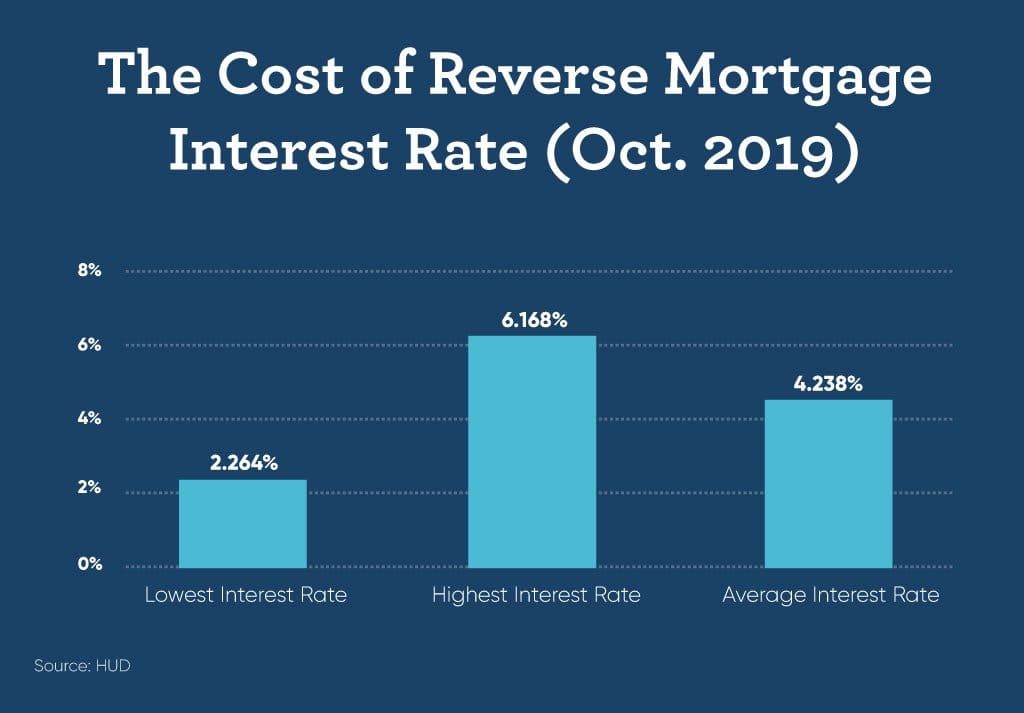
A lot of reverse home mortgages have variable rates, which are tied to a financial index and change with the marketplace. Variable rate loans tend to give you more choices on how you get your cash through the reverse mortgage. Some reverse home mortgages primarily HECMs use repaired rates, however they tend to require you to take your loan as a lump sum at closing.
Interest on reverse home loans is not deductible on earnings tax returns till the loan is paid off, either partially or in complete. In a reverse mortgage, you keep the title to your house. That means you are responsible for real estate tax, insurance, utilities, fuel, upkeep, and other expenses. And, if you don't pay your real estate tax, keep house owner's insurance, or keep your house, the lending institution might need you to repay your loan.
As an outcome, your lender may require a "set-aside" quantity to pay your taxes and insurance throughout the loan. The "set-aside" minimizes the quantity of funds you can get in payments. You are still responsible for maintaining your house. With HECM loans, if you signed the loan documents and your spouse didn't, in certain scenarios, your spouse may continue to live in the house even after you die if she or he pays taxes and insurance coverage, and continues largest timeshare companies to keep the home.
Reverse mortgages can consume the equity in your house, which implies less possessions for you and your beneficiaries. A lot of reverse mortgages have something called a "non-recourse" stipulation. This indicates that you, or your estate, can't owe more than the value of your house when the loan ends up being due and the house is sold.
More About Government Programs That Help Pay Mortgages On Homes When They Cant Work
As you think about whether a reverse home loan is ideal for you, likewise consider which of the three types of reverse mortgage might best fit your requirements. are the least costly alternative. They're provided by some state and city government companies, along with non-profit companies, however they're not readily available all over.
For example, the lender may state the loan might be utilized just to spend for home repairs, improvements, or property taxes. The majority of property owners with low or moderate income can get approved for these loans. are personal loans that are backed by the companies that develop them. If you own a higher-valued home, you might get a bigger loan advance from an exclusive reverse home loan.
are federally-insured reverse home mortgages and are backed by the U. S. https://diigo.com/0io8vf Department of Housing and Urban Development (HUD). HECM loans can be used for any function. HECMs and exclusive reverse home mortgages may be more pricey than traditional home loans, and the upfront costs can be high. That is necessary to consider, especially if you prepare to remain in your home for simply a short time or borrow a percentage.
In general, the older you are, the more equity you have in your home, and the less you owe on it, the more cash you can get. Before requesting a HECM, you must consult with a therapist from an independent government-approved real estate counseling company. Some lending institutions offering proprietary reverse home mortgages likewise require counseling.